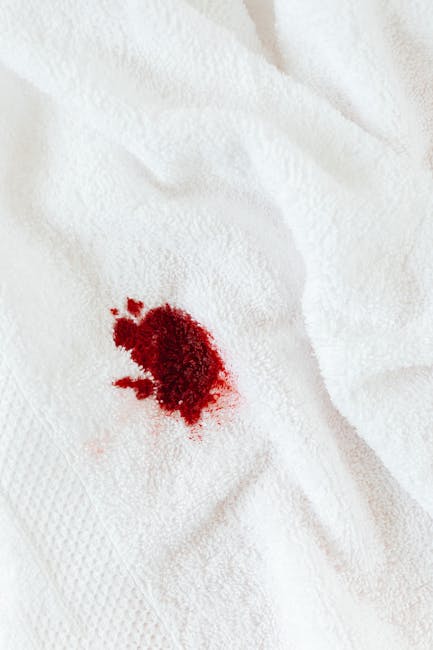
Urgent stain removal Ealing carpet cleaning insider tips
Spilled red wine just before guests arrive? Mud from a wet Ealing pavement. A coffee splash on the landing after the school run. These things happen fast, and the first few minutes matter more than most people think. This guide on Urgent stain removal Ealing carpet cleaning insider tips is here to help you act calmly, protect your carpet, and avoid the classic mistakes that turn a small mark into a permanent eyesore.
Truth be told, the difference between a stain that lifts and one that settles often comes down to timing, the right blotting method, and knowing when to stop DIY and bring in professional carpet cleaning support. Below, you'll find practical steps, local-minded advice, and a few insider pointers that are genuinely useful when the clock is ticking.
Table of Contents
- Why urgent stain removal matters
- How urgent stain removal works
- Key benefits and practical advantages
- Who this is for and when it makes sense
- Step-by-step guidance
- Expert tips for better results
- Common mistakes to avoid
- Tools, resources and recommendations
- Law, compliance, standards, or best practice
- Options, methods, or comparison table
- Case study or real-world example
- Practical checklist
- Conclusion
- Frequently Asked Questions
Why Urgent stain removal Ealing carpet cleaning insider tips Matters
An urgent stain is not just a cosmetic problem. On carpet, a spill can wick down into the backing, spread wider than the visible mark, and bond with fibres as it dries. That is why speed matters. A stain that looks tiny at 2pm can look oddly "bloomed" by evening, especially on light wool blends, textured piles, or older fitted carpets that have already seen a fair bit of life.
In Ealing homes, the usual culprits are pretty familiar: tea, coffee, red wine, ketchup, muddy footprints, pet accidents, and the occasional mystery mark from a child's snack that no one admits to. The weather plays its part too. Wet shoes and damp coats mean more dirt tracked in, and dirt is not just dirt - it can act like grit, grinding into fibres if you scrub too hard.
This is why insider tips matter. Not because they are clever for the sake of it, but because the first response often decides the outcome. A good carpet cleaning routine can save you money, reduce stress before visitors arrive, and help you avoid unnecessary replacement. And let's face it, nobody wants to spend the weekend staring at a patch of beige regret.
Expert takeaway: The best urgent stain removal is usually simple, fast, and gentle. Blot first, test second, and only then clean. The temptation to scrub is strong, but it usually makes things worse.
How Urgent stain removal Ealing carpet cleaning insider tips Works
Effective stain removal follows a basic sequence. First, you identify the spill type. Then you remove as much excess material as possible without pushing it deeper. After that, you apply the right cleaning solution in a controlled way, work from the outside in, and extract or blot carefully. The details change depending on the stain, but the logic stays the same.
Here is the plain-English version. Water-based stains like tea or squash often respond well to careful dilution and blotting. Greasy stains, such as food oils or makeup, need a different approach because plain water can make them spread. Protein-based stains, including milk, eggs, or pet accidents, need cool treatment and patience. Heat can "set" them. That is the sort of thing people discover the hard way after a quick kettle-fix. Not ideal.
Professional carpet cleaning services in Ealing often use a combination of inspection, spot treatment, fibre-safe chemistry, and controlled extraction or steam carpet cleaning. The real skill is not just in the machine; it is in judging the stain, the carpet fibre, the dye stability, and how much agitation the carpet can handle before damage happens.
If you are dealing with a broader cleaning issue rather than one spill, it can make sense to look at a fuller carpet cleaning approach or, for tougher marks, a dedicated stain removal service. For homes with pets, the combination of odour and staining often needs a more targeted treatment such as pet stain odour removal.
Key Benefits and Practical Advantages
When you respond quickly and correctly, you get more than a cleaner carpet. You protect the fibre structure, reduce the risk of a permanent mark, and often avoid that slightly worn-looking patch that appears after over-wetting or hard scrubbing.
- Better stain lift: fresh spills are far easier to remove than dried-in stains.
- Less fibre damage: gentle blotting preserves pile and colour better than aggressive rubbing.
- Reduced odour risk: especially important for food, drink, and pet accidents.
- Lower long-term cost: prompt action can delay or prevent replacement.
- Better home presentation: useful before guests, property viewings, or move-out inspections.
There is also a confidence benefit, and that is not trivial. Once you know what to do in the first ten minutes, a spill feels less like a disaster and more like a manageable job. That alone makes home life calmer. Small thing, big difference.
For landlords, letting agents, and tenants, rapid response can also help prevent disputes over avoidable staining. If the carpet is part of a rental property, keeping things under control early can save hassle later, especially at the end of a tenancy when expectations are tighter.
Who This Is For and When It Makes Sense
This advice is for anyone who wants to deal with a stain before it settles, but a few groups tend to need it most:
- Homeowners: especially if you have light-coloured carpets, kids, or pets.
- Tenants: helpful before inspections or when trying to avoid deductions.
- Landlords and agents: useful for protecting property value between occupancies.
- Small businesses: reception areas and office carpets often need quick fixes after spills.
- Hosts and short-let operators: where presentation and turnaround time really matter.
It also makes sense when the stain is new, the area is small, and the carpet fibre looks stable. If the mark is large, old, oily, or has already been scrubbed repeatedly, the odds of DIY success fall quite a bit. At that point, professional intervention is often the smarter move. To be fair, it is usually cheaper than making the damage worse and then trying to rescue it.
Homes near busy roads, schools, and parks in Ealing often see a mix of grit, moisture, and everyday spill risk. That means carpets can take a beating without looking obviously dirty at first. Then one spill lands on already-tired fibres and suddenly it shows. Funny how that works.
Step-by-Step Guidance
If you only remember one thing, remember this: act calmly and work from the outside of the stain inward. Panic is rarely a good cleaner.
1. Stop the spread
Take away anything still causing the stain. Lift solid debris with a spoon or blunt edge. If it is liquid, blot gently with a clean white cloth or paper towel. Press, lift, repeat. Do not rub. Rubbing pushes pigment and moisture deeper into the pile.
2. Identify the stain type
This matters more than most people realise. Tea and coffee are handled differently from oil, and pet accidents are different again. If you use the wrong method, you can set the stain or make it spread.
3. Test first
Before applying any cleaner, test it on a hidden corner of the carpet. Wait a few minutes. Check for colour transfer, fibre distortion, or dulling. A product that looks harmless on the bottle can behave differently on wool or synthetic blends.
4. Apply a small amount of solution
Use a little cleaner, not a flood. For many fresh stains, lukewarm water with a tiny amount of mild detergent can help, but avoid soaking. Work it in lightly with a cloth, not a stiff brush. Again, gentle wins.
5. Blot and lift
Use a dry towel to absorb moisture and loosened residue. Repeat the process several times rather than trying to force results in one go. If the stain is still visible, allow a short rest and try once more.
6. Rinse carefully
Too much product left in the carpet attracts dirt later. A lightly damp cloth with plain water can help remove residue. Blot again afterwards so you do not leave the area soggy.
7. Dry properly
Open a window if weather permits, use airflow, and keep foot traffic off the area. Damp carpet traps dirt and can smell stale. In a busy household, it is tempting to walk over it anyway. Try not to. Wet socks are a bad trade.
8. Assess whether to call a professional
If the stain is still there after two careful attempts, or if the carpet is valuable, wool-rich, or visibly damaged, stop there. More effort is not always more progress.
Expert Tips for Better Results
Here is where a few insider habits can make a real difference.
Work fast, but not frantically. A careful five-minute response is often better than a messy two-minute scramble. Grab cloths first, then cleaner, then extraction tools if you have them. That order matters.
Use white cloths only. Coloured towels can transfer dye, especially when damp. White cloths also help you see whether the stain is still lifting.
Mind the pile direction. Carpet fibres lay in one direction more than people think. Blot with the pile rather than against it, and you will disturb the carpet less.
Do not over-wet the area. This is probably the most common issue. Over-wetting can spread the stain, cause backing issues, or create a lingering damp patch. On some carpets, it also leaves a ring once dry. Not the look anyone wants.
Use the right temperature. Cool or lukewarm water is safer for many stains. Hot water can fix proteins and make life harder. For food-based spills, this is especially important.
For greasy spots, absorb first. Sprinkle absorbent powder only if it is suitable for your carpet type, then vacuum carefully later. But do not pile on random household powders and hope for the best. That way lies a gritty mess.
Save the heavy tools for the right moment. A carpet extractor or steam carpet cleaning machine can be useful, but only if used correctly. Inexperienced use can leave too much moisture or distort fibres. Sometimes the "pro" move is knowing when not to use the machine.
Common Mistakes to Avoid
Most stain disasters are caused by one of a handful of avoidable mistakes. The good news? Once you know them, you are far less likely to repeat them.
- Scrubbing aggressively: this frays fibres and spreads the stain.
- Using too much water: it can push the stain deeper into the underlay.
- Skipping the test patch: colour loss or dulling can happen surprisingly fast.
- Mixing cleaning products: never combine chemicals casually, especially bleach-based products and acidic solutions.
- Using coloured cloths: dye transfer is a real thing, especially on pale carpets.
- Letting a stain dry before treating it: dried residue takes more work and may need professional help.
- Ignoring odour after a spill: a stain can be visually light but still hold smell or bacteria.
A small but useful point: sometimes a stain looks gone when it is simply wet and blended into the pile. Check again after drying, because the true result shows later. That little reality check saves a lot of disappointment.
Tools, Resources and Recommendations
You do not need a van full of equipment to handle urgent carpet stains, but having a few sensible items ready makes life easier.
- White microfibre cloths: ideal for blotting and seeing transfer clearly.
- Blunt spoon or scraper: helpful for lifting solids without damaging fibres.
- Clean spray bottle: for controlled application of water or suitable solution.
- Vacuum cleaner: useful once the area is dry, especially for loose residues.
- Protective gloves: helpful if you are dealing with pet mess or harsh products.
- Fan or open window: supports faster drying and prevents stale smells.
For broader home care, it can help to keep related services in mind. If a stain has spread beyond the carpet, nearby fabrics may also need attention, which is where sofa cleaning, upholstery cleaning, or rug cleaning can become relevant. For full-property refreshes, some households also combine carpet care with deep cleaning or one-off cleaning.
If you want to compare service scope, pricing structure, or what affects a quotation, the page on pricing and quotes is worth a look. And if you prefer to understand the company's standards and practical policies first, pages such as insurance and safety and health and safety policy can be reassuring. They are the sort of pages people often skip until they really need them.
Law, Compliance, Standards, or Best Practice
Stain removal itself is usually a practical household matter, not a regulated legal process. Still, there are sensible standards and best practices to keep in mind, especially when a professional cleaner is involved.
Safe handling: Cleaning products should be used according to their labels, with ventilation and care around children and pets. That sounds obvious, but in a rushed moment people sometimes forget the basics.
Property care: If you are a tenant, check your tenancy agreement before using strong products or equipment that might damage the carpet. If you are a landlord, sensible maintenance and documented cleaning standards help avoid disputes later.
Insurance and accountability: A reputable cleaning provider should be clear about their approach to safety, what they can and cannot treat, and how they manage risk. If a carpet is delicate, antique, or particularly valuable, that should be discussed up front.
Waste and environmental care: It is best practice to avoid excessive chemical use and to dispose of waste water responsibly. If sustainability matters to you, some companies explain their approach to recycling and low-impact methods in a dedicated policy. That is usually a good sign, not because every job needs a lecture, but because it shows thoughtfulness.
If you want to understand the company's wider approach, the recycling and sustainability page gives a clearer picture of those habits. Likewise, service terms, payments, and customer expectations are usually set out in terms and conditions and payment and security. That sort of transparency matters more than people admit.
Options, Methods, or Comparison Table
Different stains call for different approaches. The table below gives a simple comparison of common methods and where they tend to fit best.
| Method | Best for | Strengths | Limitations |
|---|---|---|---|
| Blotting with cloth and water | Fresh drink spills, light marks | Gentle, quick, low risk | May not shift oily or set stains |
| Mild detergent spot treatment | General household stains | Useful on many fresh stains | Needs careful testing and rinsing |
| Targeted stain removal | Stubborn or unusual marks | More precise, better for tricky stains | May need professional knowledge |
| Steam carpet cleaning | Broader refresh and embedded dirt | Good deep clean, improves overall appearance | Not always the right fix for every stain |
| Professional spot extraction | Deep or recurring stains | Controlled and efficient | Usually best handled by trained cleaners |
The key thing is not to assume one method solves everything. A red wine spill on synthetic carpet behaves differently from a greasy takeaway mark on wool. That is why the best cleaners do not rush straight to a machine. They look, test, think, then treat.
Case Study or Real-World Example
A fairly typical Ealing scenario goes like this. Early evening, a mug of coffee tips over onto a living room carpet just after someone has settled down for the night. The carpet is a pale synthetic blend, and the spill is spread over a patch no bigger than a saucer. Nothing dramatic. Yet.
The first response is simple: blot the liquid immediately with a white cloth, lift the edges of the spill, and keep the pressure light. The next step is a small test patch with a mild solution in an inconspicuous corner. Once the carpet is checked for colour stability, the cleaner is applied sparingly to the stain itself. The area is then blotted dry, rinsed lightly, and dried with airflow.
In that kind of case, the stain often lifts almost completely if caught early. The carpet may still need a second pass, but the visible damage usually stays limited. Compare that with the same spill left overnight, rubbed hard with a kitchen towel, and soaked with hot water. That version is much more difficult and often leaves a mark edge or dull patch.
We see this sort of thing a lot. Not because people are careless, just because spills happen in real life, in a hurry, with dinner on the go and someone calling from the hall. A bit of method makes the difference.
For homes that need a broader refresh after a busy week or a move, services like move-out cleaning, move-in cleaning, or end of tenancy cleaning can be worth considering alongside carpet treatment. If the problem is more commercial, office cleaning or commercial carpet cleaning may be the better fit.
Practical Checklist
Use this quick checklist when a stain happens and you need to move fast.
- Act straight away if possible.
- Blot, do not rub.
- Remove solids carefully before adding liquid.
- Identify whether the stain is water-based, oily, or protein-based.
- Test any cleaning solution on a hidden spot first.
- Use only a small amount of cleaner.
- Work from the outside inward.
- Rinse lightly if needed, then blot dry.
- Allow the carpet to dry fully.
- Stop and call a professional if the stain spreads, smells, or refuses to lift.
If you keep just one emergency habit in place, make it this: store a few clean white cloths somewhere sensible. Kitchen drawer, utility cupboard, under the sink - wherever. When the spill happens, you will be glad they are not all in the wash. Small win, but a real one.
Conclusion
Urgent stain removal is less about miracle products and more about calm, informed action. In Ealing homes, where everyday life means wet shoes, coffee cups, pets, and busy family routines, carpets take plenty of knocks. The good news is that many fresh stains can be improved dramatically if you respond early, choose the right method, and avoid overdoing it.
The real insider tip is simple: treat the stain gently, respect the fibre, and know when the job has moved beyond DIY. That judgment call saves carpets, time, and a fair bit of frustration. And if you are dealing with a stubborn mark, a deeper refresh, or a carpet that needs more than a quick fix, a professional clean is often the sanest next step.
Get a free quote today and see how much you can save.
Sometimes the best result is not perfection on the first try. It is just getting your carpet back to looking lived-in, clean, and quietly dependable again. That is enough, honestly.
Frequently Asked Questions
What should I do first after a carpet stain happens?
Blot the spill immediately with a clean white cloth or paper towel. Remove any solids first, then work gently from the outside of the stain inward. Do not rub, because rubbing spreads the stain and can damage the carpet pile.
Can I use hot water on every stain?
No. Hot water can set protein-based stains such as milk, egg, or some food spills. Lukewarm or cool water is usually safer for urgent carpet stain treatment unless a product specifically recommends something different.
Is vinegar safe for carpet stain removal?
Sometimes, but not always. Vinegar can help with certain odours and some light marks, yet it is not suitable for every fibre or every stain type. Always test it first in a hidden area and use it sparingly.
When should I call a professional carpet cleaner?
Call a professional if the stain is old, large, oily, smelly, or on a delicate carpet. It is also sensible to get help when DIY attempts have already made the mark wider or duller.
Why does my carpet look cleaner while it is wet and worse when dry?
That is usually because moisture temporarily hides the stain or blends it into the pile. Once the carpet dries, the residue or watermark may become visible again. It is a common frustration, to be fair.
What stains are hardest to remove from carpet?
Grease, red wine, ink, pet accidents, and anything left to dry for a long time are usually the most stubborn. Bleaching agents, strong scrubbing, or heat can make those problems worse.
Will steam carpet cleaning remove every stain?
No, and it should not be treated like magic. Steam carpet cleaning is excellent for deep cleaning and many embedded soils, but some stains need targeted pre-treatment or specialist spot removal first.
How do I avoid making a stain bigger?
Blot rather than rub, use only a small amount of liquid, and always start from the edge of the stain. Too much water is one of the quickest ways to spread the problem.
Can pet stains be treated the same way as food stains?
Not really. Pet stains often need odour control as well as stain removal, and they can soak into the backing or underlay. That is why pet stain and odour treatment is usually more targeted than a basic spot clean.
How do I know if a carpet product is safe to use?
Check the label, test it in a hidden area, and make sure it is suitable for the carpet fibre type. If you are unsure, especially with wool or expensive carpet, it is safer to use a professional-grade service or get advice first.
Does urgent stain removal always need special equipment?
No. Many fresh stains can be improved with cloths, water, and a suitable cleaner. Special equipment becomes more useful when the stain is deep, recurring, or widespread, or when you need deeper extraction after the spot treatment.
What if the stain is gone but the area feels sticky?
That usually means there is residue left behind from detergent or spot cleaner. Rinse lightly with clean water, blot thoroughly, and allow the area to dry completely. Sticky residue attracts dirt, so it is worth fixing properly.
Are there any best practices for tenants in Ealing?
Yes. Keep a record of any spill, act quickly, and follow your tenancy terms carefully. If the carpet is part of a rented home, sensible maintenance and prompt cleaning can help avoid disputes at check-out.
How can I tell if a stain is beyond DIY repair?
If the mark keeps returning after drying, has spread into a ring, smells unpleasant, or changes the carpet colour, it is probably beyond a basic home fix. At that point, professional stain removal is usually the better option.